
Smell-Proof Bags vs Jars vs Stash Boxes: What Actually Contains Odor
· 5 min read
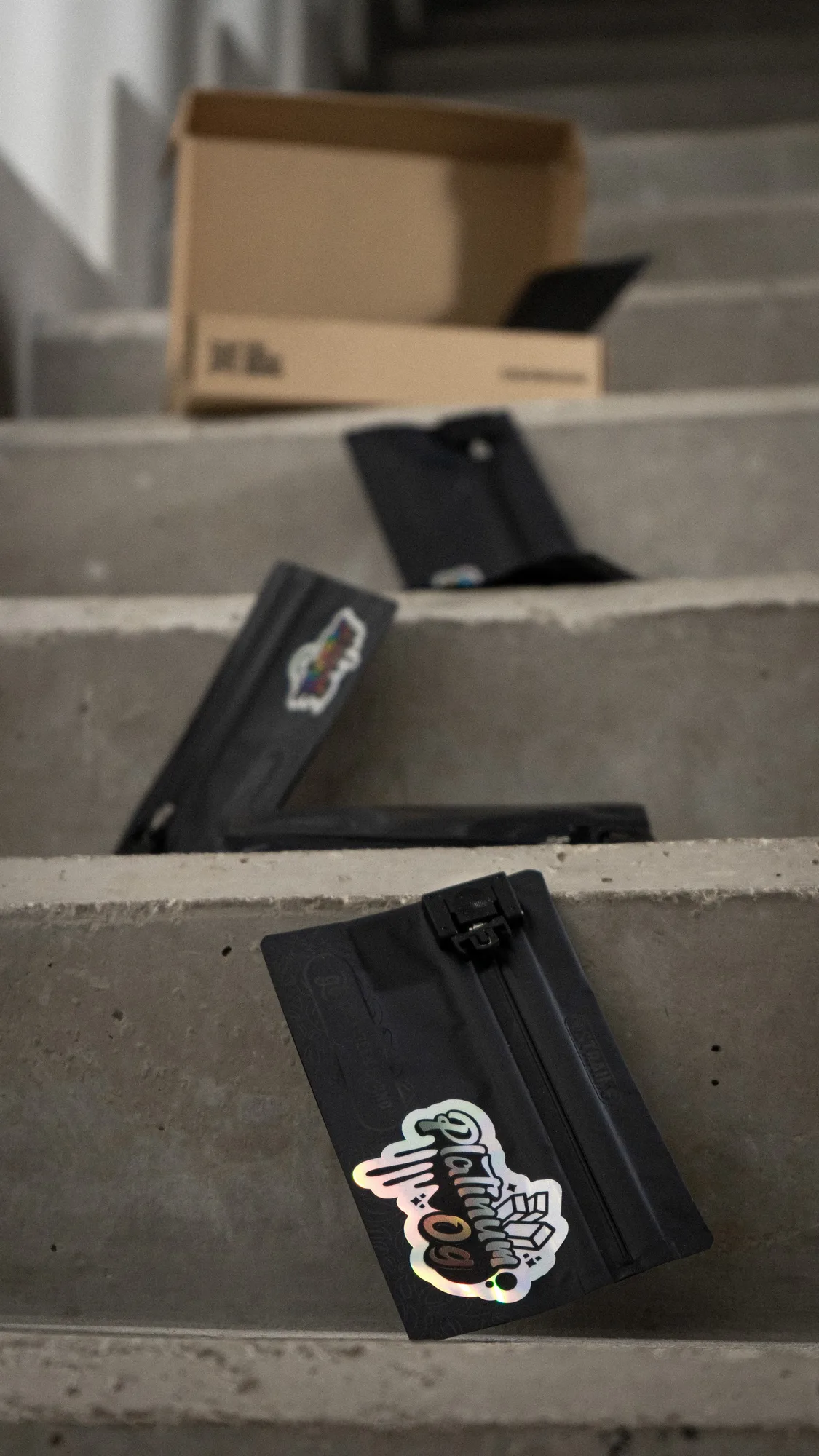
"Smell proof" is printed on a lot of bags, jars and boxes, but they don't all work the same way, and none of them is perfect. This guide explains how odor control actually works, compares the main storage options, and shows how to combine them so herbs stay fresh and the room doesn't smell.
Why things smell in the first place
The smell of dry herbs comes from aromatic compounds that evaporate into the air. To keep the smell in, a container has to do one of two things:
- Seal the air in, so the molecules can't get out (jars with a good lid).
- Trap the molecules as air passes through (bags and cases lined with activated carbon).
The best setups do both.
How smell-proof bags work
Most smell-proof bags and soft cases use a lining of activated carbon. Activated carbon is extremely porous, so a small amount has a huge internal surface area. Odor molecules stick to that surface (this is called adsorption) instead of drifting out of the bag.
Three things matter that labels rarely mention:
- Carbon fills up. Once its surface is covered, it stops trapping odor. Linings last months, not forever.
- Some linings can be refreshed. Certain carbon fabrics release trapped molecules when gently heated and recover some capacity. Others, such as thin carbon-coated mesh, can't. Follow the maker's care instructions, and replace the bag when the smell starts coming through.
- The closure matters as much as the lining. A carbon lining does nothing if air leaks around a gap in the zip. Keep the bag fully closed.
Moisture also takes up space on the carbon, so a damp bag works worse than a dry one.
How smell-proof jars work
A jar doesn't trap odor; it seals it in. An airtight screw lid or gasket keeps the air inside the jar, so very little escapes. Glass also doesn't absorb smells the way plastic can.
Dark or UV-blocking glass adds a second benefit: it blocks light, which helps keep stored herbs from fading. A UV glass stash jar with an airtight lid does both.
The weak points: every time you open the jar, the smell escapes, and a jar is breakable.
Bags vs jars vs stash boxes
| Carbon-lined bag or case | Airtight jar | Stash box | |
|---|---|---|---|
| How it controls smell | Traps odor in the lining | Seals air in | Depends on what's inside it |
| Best at | Holding several items in one place; flexible | Freshness and odor for herbs | Organizing a whole kit, often with a lock |
| Weak points | Lining wears out; needs to be zipped fully | Breakable; smell escapes when opened | A plain box is not airtight |
| Example | Smell-Proof Bag with Combination Lock, Smell-Proof Travel Kit | Smell-Proof UV Glass Stash Jar | Lockable Stash Box with Rolling Tray |
The setup that works best
Layer them:
- Herbs in an airtight jar. This does most of the work, because the smell never leaves the jar.
- Jar and gear in a carbon-lined bag or case. The lining catches what escapes when the jar is opened, plus the smell from a used pipe or grinder.
- Keep used glass clean. A pipe or bong with old resin smells far stronger than fresh herbs. Rinse after use and see our cleaning guide.
- Store it cool and dry, out of direct sun and away from heat.
Humidity packs: freshness, not odor
A 2-way humidity pack keeps the air inside a jar at a set humidity. Packs rated 62% are the common choice for dry herbs: they add moisture if the jar is too dry and absorb it if it's too damp, which helps prevent herbs from going crispy or damp. Examples: Boveda 62% and our 62% humidity packs (10 pack).
They don't remove smell, but they work well alongside an airtight jar. Replace a pack when it turns stiff.
Locks and keeping things out of reach
A lock doesn't control odor, but it's useful for safety: a lockable bag or stash box keeps accessories and anything you store with them away from children, pets and curious visitors. Store anything adult-only out of reach and locked, whatever container you use.
Concentrates
Sticky concentrates need a non-stick container rather than a bag: silicone wax containers keep them from sticking, and they can go inside an airtight jar or carbon-lined case like anything else.
Browse jars, bags and storage in accessories.
FAQ
Do smell-proof bags really work?
Bags lined with activated carbon can trap a lot of odor, but no bag is perfectly smell proof. The carbon fills up over time, the zip has to be fully closed, and they work best with an airtight jar inside.
How long does a smell-proof bag last?
It depends on the lining and how much odor it handles. Carbon linings usually last months rather than years. Some can be refreshed with gentle heat according to the maker's instructions, and others need replacing once the smell comes through.
Is a glass jar or a smell-proof bag better?
For keeping herbs fresh and the smell in, an airtight glass jar is better because it seals the air in. A carbon-lined bag is better for holding several items. Using a jar inside a bag works best.
Why use a UV glass jar?
Dark UV-blocking glass keeps light out, which helps stored herbs keep their color and aroma longer, while the airtight lid keeps the smell in.
Do humidity packs help with smell?
No. Humidity packs control moisture inside a sealed jar, which helps keep herbs fresh, but they don't remove odor. Pair them with an airtight jar.
Adults 21+. Educational content, not legal or medical advice. Accessories are sold for legal use with tobacco or legal herbs. Local laws on accessories differ by country and state; check yours before ordering.
— The Shop Kushina Team
Ready to order?
Browse the full menu or THCA flower. Questions? Call or text (507) 323-2528.
More guides
Follow Shop Kushina on Google