
Rolling Tray Guide: Sizes, Materials and What to Look For
· 5 min read
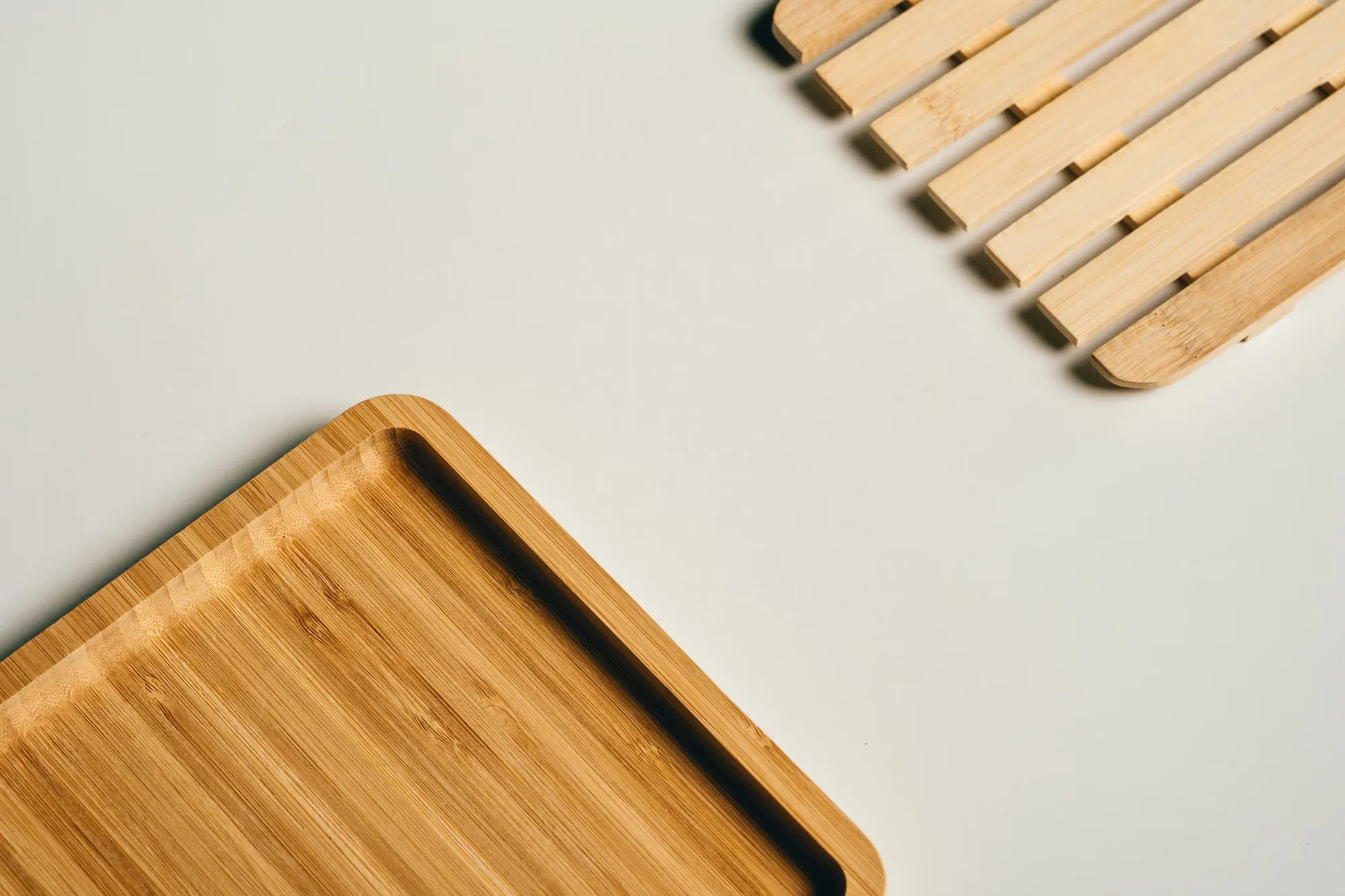
A rolling tray is a shallow tray with a raised edge that gives you a clean, flat place to grind, roll and pack, and catches whatever falls instead of letting it end up in the couch. It's one of the cheapest accessories you can buy and one of the most useful. This guide covers the standard sizes, how the materials compare, which features are worth paying for, and how to keep a tray clean.
Do you actually need a rolling tray?
You can roll on a book or a magazine, but a tray does three things better:
- It contains spills. The raised lip stops loose herb, filter tips and papers from sliding off.
- It gives you a funnel. Most trays have curved or angled corners, so you can tip the tray and pour leftover material back into a jar or a pre-rolled cone.
- It keeps your kit together. Papers, tips, a lighter and a grinder all live in one place, which makes it quicker to set up and put away.
Rolling tray sizes
There's no official standard, and makers name sizes differently, so always go by the measurements on the listing. As a rough guide:
| Size | Typical dimensions | Good for |
|---|---|---|
| Small / mini | about 7 × 5 in (18 × 13 cm) | One person, a drawer or a bag, rolling one joint at a time |
| Medium | about 11 × 7 in (28 × 18 cm) | Most people at home: room for a grinder, papers and the roll itself |
| Large | about 13–14 × 11 in (33–36 × 28 cm) | A desk setup, a rolling machine, rolling several at once, or sharing a table |
If you're unsure, start with a medium. A small tray feels cramped once a grinder is on it, and a large one is awkward to store. Many people end up with two: a medium or large one at home and a small one in a drawer.
Examples from our range:
- RAW Classic Metal Rolling Tray, offered in small (about 7" × 5.5"), medium (about 11" × 7") and large (about 13.5" × 11")
- Kushina Metal Rolling Tray, about 11" × 7"
- Grinder & Rolling Tray Set, a 7" × 5.5" tray with a matching 2.2" grinder, a simple first setup
Materials compared
| Material | Pros | Cons |
|---|---|---|
| Metal (tin, aluminum, steel) | Light, cheap, rigid, wipes clean, works with magnetic lids | Can dent if dropped; printed designs can scratch over time |
| Wood / bamboo | Looks good on a desk, sturdy, can include compartments | Bare wood absorbs resin and smells; never soak it |
| Glass | Very smooth, non-porous, easiest to wipe completely clean | Heavy and can break |
| Silicone | Flexible, non-stick, won't break | Too soft for some people to roll on comfortably; picks up dust |
| Plastic / acrylic | Cheapest | Scratches easily; some get static that makes ground herb cling |
Metal is the practical default for most people: it's light, it keeps its shape, and a quick wipe cleans it. Pick wood or bamboo if looks matter more than easy cleaning, glass if you want the cleanest surface and don't mind the weight, and silicone if you want something you can drop.
Features worth paying for
- A real raised lip. A flat board isn't a tray. The edge is the whole point.
- Rounded corners. Residue collects in corners, and rounded ones are easier to wipe and to pour from.
- A lid. A rolling tray with a magnetic lid keeps everything in place between sessions and lets you stack or move the tray without spilling.
- Storage built in. If you'd like everything in one locked place, a lockable stash box with a rolling tray lid holds papers, a grinder and jars, with the tray on top. A lock is also a simple way to keep accessories away from children and curious visitors.
- Size that fits where you'll use it. Measure the shelf, drawer or bag before you buy.
Skip features you won't use. Lots of recessed slots and holders look clever but are harder to clean than a plain surface.
Setting up a tray
A typical rolling setup on a medium tray:
- Grinder in one corner. If you need one, see our grinder guide.
- Papers, tips or cones along one side. Not sure which papers you have? Check rolling paper sizes.
- The middle stays clear for rolling. Our step-by-step guide to rolling a joint assumes this kind of space.
- Lighter off the tray, away from loose papers.
How to clean a rolling tray
- Every session: tip leftovers into a jar and brush or wipe off loose bits with a dry cloth.
- Sticky spots on metal or glass: a cloth or cotton pad with a little isopropyl alcohol lifts resin. Let the tray dry completely and the alcohol evaporate before any flame comes near it.
- Wood or bamboo: wipe with a dry or barely damp cloth only. Don't soak it, put it in the dishwasher or use lots of alcohol, which can strip the finish.
- Silicone: warm soapy water usually does it; check the maker's care notes before using a dishwasher.
For pipes and glass, see our glass pipe and bong cleaning guide.
Browse trays, papers and other rolling gear in accessories.
FAQ
What size rolling tray should I get?
A medium tray of about 11 × 7 inches suits most people. Choose a small tray of about 7 × 5 inches for a drawer or bag, and a large tray of 13 inches or more for a desk setup, a rolling machine or rolling several at once.
What is the best material for a rolling tray?
Metal is the most practical everyday choice because it is light, rigid and wipes clean. Wood and bamboo look better but need gentle cleaning, glass is the easiest to clean but heavy, and silicone won't break but is softer to roll on.
How do you clean a metal rolling tray?
Brush off loose material, then wipe sticky spots with a cloth and a little isopropyl alcohol. Let it dry fully before using a lighter near it.
Can you use a rolling tray for a rolling machine?
Yes. A medium or large tray catches the spill from filling a rolling machine and gives you room to work.
Why do rolling trays have curved corners?
Curved corners let you tip the tray and pour leftover material back into a container or cone, and they are easier to wipe clean than sharp corners.
Adults 21+. Educational content, not legal or medical advice. Accessories are sold for legal use with tobacco or legal herbs. Local laws on accessories differ by country and state; check yours before ordering.
— The Shop Kushina Team
Ready to order?
Browse the full menu or THCA flower. Questions? Call or text (507) 323-2528.
More guides
Follow Shop Kushina on Google